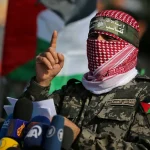

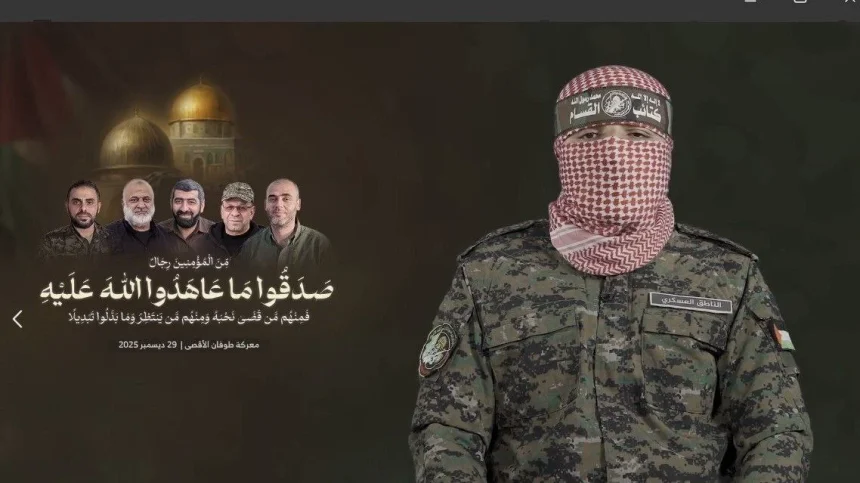
Hamas’ armed wing, the Qassam Brigades, has confirmed the deaths of Abu Obeida, the group’s iconic wartime spokesperson, along with several senior commanders amid Israel’s ongoing military operations in Gaza. The announcement marks a significant moment in the two-year conflict between Hamas and Israel, highlighting the heavy toll on the militant group’s leadership.
Abu Obeida: The Voice of Hamas
Abu Obeida, whose real name was Hudhayfah Abdullah al-Kahlout, was a key figure in Hamas’ media and communications strategy during the conflict. Rarely appearing in public and often masked, he became the recognizable voice of the group, delivering regular updates and statements that reached audiences worldwide. His death signals the loss of not only a military figure but also a symbolic voice that rallied Hamas supporters.
Senior Leadership Losses
In addition to Abu Obeida, Hamas confirmed the death of Mohammed Sinwar, chief of staff of the Qassam Brigades. Sinwar had led the organization through a period described by Hamas as “exceptionally challenging,” following the succession of longtime commander Mohammed Deif. Mohammed Sinwar was the brother of Yahya Sinwar, the political chief of Hamas in Gaza.
Other key figures killed include:
- Mohammed Shabana, commander of the Rafah Brigade, reportedly killed alongside Yahya Sinwar.
- Hakam al-Issa, a senior figure responsible for military training, education, and strategic planning.
- Raed Saad, head of Hamas’ weapons manufacturing division and former chief of operations.
Impact on Hamas
Hamas has described these losses as evidence of the heavy cost its leadership has paid during the conflict. Despite the deaths, the group maintains that its resistance against Israel will continue and that these setbacks will not weaken its operational capabilities.
Regional Implications
The deaths of these senior leaders may have broader implications for the ongoing conflict in Gaza. They highlight Israel’s continued focus on targeting Hamas’ command structure, which could temporarily disrupt the group’s coordination and operations. However, Hamas’ statement suggests a determination to continue its activities, indicating that the conflict is far from over.
International Reactions
The international community has been closely monitoring the situation in Gaza, expressing concern over escalating violence and civilian casualties. The targeting of senior Hamas figures may intensify tensions and further complicate efforts to achieve a ceasefire or lasting peace in the region.
Conclusion
The confirmation of the deaths of Abu Obeida and other top Hamas commanders underscores the high stakes of the ongoing Israel-Gaza conflict. While these losses represent a significant blow to the group’s leadership, Hamas remains defiant, reiterating its commitment to continue its resistance. The situation continues to evolve, with both sides facing significant human and strategic costs.