
Rising tensions in the Middle East have taken a troubling turn after one of Bahrain’s largest industrial companies reported that its facilities were the target of an attack allegedly linked to Iran. The incident has sparked fresh concerns over regional security, economic stability, and the vulnerability of critical infrastructure in the Gulf.
- The Reported Attack: What Happened?
- Strategic Importance of Aluminium Bahrain (Alba)
- Why Target Industrial Infrastructure?
- Rising Tensions Between Bahrain and Iran
- Cyber Warfare in the Modern Middle East
- Economic Implications
- Regional Security Concerns
- International Reactions
- The Challenge of Attribution
- Strengthening Infrastructure Security
- Broader Geopolitical Context
- FAQs
- What is Aluminium Bahrain (Alba)?
- Was the attack confirmed to be from Iran?
- Did the attack cause major damage?
- Why would an aluminum plant be targeted?
- What does this mean for global markets?
- Conclusion
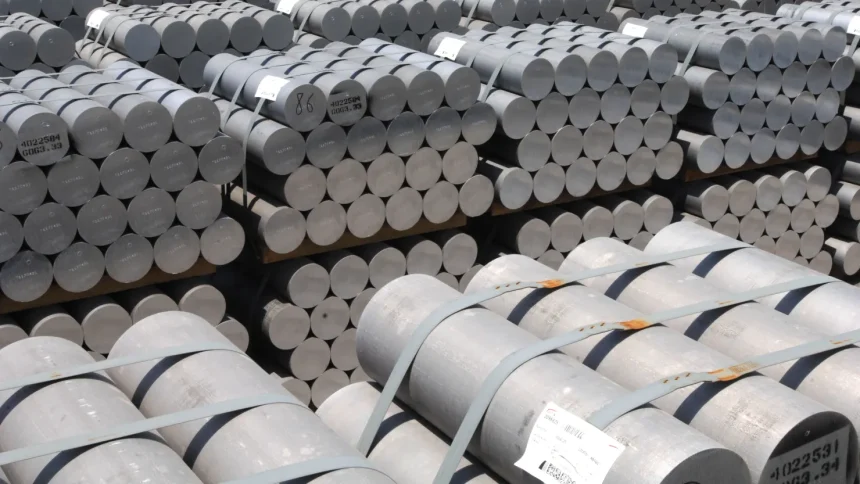
The company at the center of the controversy, Aluminium Bahrain (Alba), is among the world’s largest aluminum smelters and a cornerstone of Bahrain’s economy. Officials say the attack was deliberate, sophisticated, and aimed at disrupting operations at a time of heightened geopolitical tensions.
The Reported Attack: What Happened?
According to company statements and regional reports, the alleged attack targeted key operational systems within Alba’s industrial complex. While full technical details have not been publicly disclosed, early indications suggest that the incident may have involved:
- A cyberattack targeting industrial control systems
- Attempts to disrupt production lines
- Possible coordination with broader regional hostilities
Company representatives stated that swift response measures prevented major damage, allowing operations to continue with minimal disruption. However, the incident has raised alarms about how close the attack came to causing significant economic harm.
Authorities in Bahrain have launched an investigation, while also coordinating with international partners to assess the scale and origin of the threat.
Strategic Importance of Aluminium Bahrain (Alba)
Alba is not just another industrial facility—it is a critical pillar of Bahrain’s economy and a major player in the global aluminum market.
Key facts about Alba include:
- One of the largest aluminum smelters in the world
- A major contributor to Bahrain’s GDP
- A key exporter supplying international markets
- Employer of thousands of workers
Because of its strategic importance, any disruption to Alba’s operations could have ripple effects across global supply chains, particularly in industries such as construction, automotive manufacturing, and aerospace.
Why Target Industrial Infrastructure?
The alleged targeting of an aluminum plant reflects a broader trend in modern conflict: the shift toward economic and infrastructure warfare.
Rather than direct military confrontation, states and non-state actors increasingly aim to:
- Disrupt economic activity
- Undermine investor confidence
- Create uncertainty in global markets
- Apply pressure without triggering full-scale war
Industrial facilities like Alba are especially attractive targets because they are:
Highly valuable economically
Technically complex and potentially vulnerable
Critical to national stability
Experts say such attacks can achieve strategic goals with relatively low immediate risk compared to conventional warfare.
Rising Tensions Between Bahrain and Iran
Relations between Bahrain and Iran have long been strained, shaped by political, sectarian, and strategic differences. Bahrain has frequently accused Iran of interference in its internal affairs—claims Tehran denies.
Recent developments have intensified these tensions:
- Regional conflicts involving Iran and its allies
- Increased military activity in the Gulf
- Cyber operations targeting critical infrastructure
The alleged attack on Alba comes amid a broader climate of suspicion and confrontation, making attribution both politically sensitive and strategically significant.
Cyber Warfare in the Modern Middle East
If confirmed as a cyberattack, the incident would highlight the growing role of digital warfare in the region.
Cyberattacks offer several advantages:
- Plausible deniability
- Lower cost compared to traditional military operations
- Ability to target critical systems remotely
- Potential for widespread disruption
Industrial control systems, often referred to as SCADA systems, are particularly vulnerable if not properly secured. Past incidents worldwide have shown how cyberattacks can:
- Shut down power grids
- Disrupt manufacturing processes
- Damage physical equipment
The Middle East has become a hotspot for such activity, with both state and non-state actors investing heavily in cyber capabilities.
Economic Implications
The potential targeting of a major aluminum producer carries serious economic implications.
For Bahrain:
- Risk to a key national industry
- Potential loss of investor confidence
- Increased costs for cybersecurity and infrastructure protection
- For Global Markets:
- Possible disruptions in aluminum supply
- Price volatility
- Concerns about the security of supply chains
While Alba reported minimal immediate damage, even the perception of vulnerability can have lasting economic effects.
Regional Security Concerns
The incident underscores the fragility of security in the Gulf region. Key concerns include:
- The vulnerability of energy and industrial infrastructure
- The risk of escalation between regional powers
- The potential for retaliatory actions
Neighboring countries are likely to review their own security measures in response, particularly those with critical energy and manufacturing assets.
International Reactions
Although official responses are still emerging, such incidents typically draw attention from global powers concerned about stability in the Gulf.
Possible international reactions include:
- Calls for restraint and de-escalation
- Offers of technical assistance in cybersecurity
- Increased monitoring of regional threats
Countries with strong economic ties to Bahrain may also seek reassurances regarding the safety of investments and supply chains.
The Challenge of Attribution
One of the most complex aspects of incidents like this is determining responsibility.
Cyberattacks can be difficult to trace due to:
- Use of proxy networks
- Sophisticated obfuscation techniques
- Involvement of third-party actors
Even when evidence points toward a particular actor, political considerations often influence how accusations are made and addressed.
This ambiguity can complicate responses and increase the risk of miscalculation.
Strengthening Infrastructure Security
In the wake of the alleged attack, experts are emphasizing the need for stronger protections for critical infrastructure.
Key measures include:
- Upgrading cybersecurity systems
- Conducting regular vulnerability assessments
- Training staff in cyber threat response
- التعاون مع international security partners
Investments in resilience are increasingly seen as essential, not optional, in today’s threat environment.
Broader Geopolitical Context
The incident cannot be viewed in isolation. It is part of a larger pattern of rising tensions across the Middle East, involving multiple actors and overlapping conflicts.
Key factors include:
- Rivalries between regional powers
- Ongoing conflicts in neighboring countries
- Strategic competition over energy routes and resources
These dynamics create an environment where incidents like the alleged attack on Alba are more likely to occur.
Read More: Dubai airport, iconic Burj Al Arab hotel damaged in Iranian missile strikes
FAQs
What is Aluminium Bahrain (Alba)?
Alba is one of the world’s largest aluminum smelters and a major contributor to Bahrain’s economy, producing aluminum for global markets.
Was the attack confirmed to be from Iran?
While Bahraini sources have linked the attack to Iran, full independent confirmation and detailed evidence have not yet been publicly disclosed.
Did the attack cause major damage?
According to initial reports, the impact was limited due to quick response measures, and operations continued with minimal disruption.
Why would an aluminum plant be targeted?
Industrial facilities are critical to national economies and can be strategic targets in conflicts aimed at causing economic disruption.
What does this mean for global markets?
If such attacks become more frequent, they could disrupt supply chains and lead to price volatility in commodities like aluminum.
Conclusion
The reported targeting of Aluminium Bahrain marks a significant moment in the evolving landscape of modern conflict. Whether through cyber means or other methods, the incident highlights how economic infrastructure has become a frontline in geopolitical competition.For Bahrain, the event is a stark reminder of the vulnerabilities that come with global economic integration. For the wider region, it underscores the urgent need for de-escalation and cooperation to prevent further instability.As investigations continue, the international community will be watching closely—not only to understand what happened, but to gauge what it signals about the future of conflict in the Middle East. In a world where wars are increasingly fought in shadows—through networks, systems, and اقتصاد rather than traditional battlefields the stakes are higher than ever.