

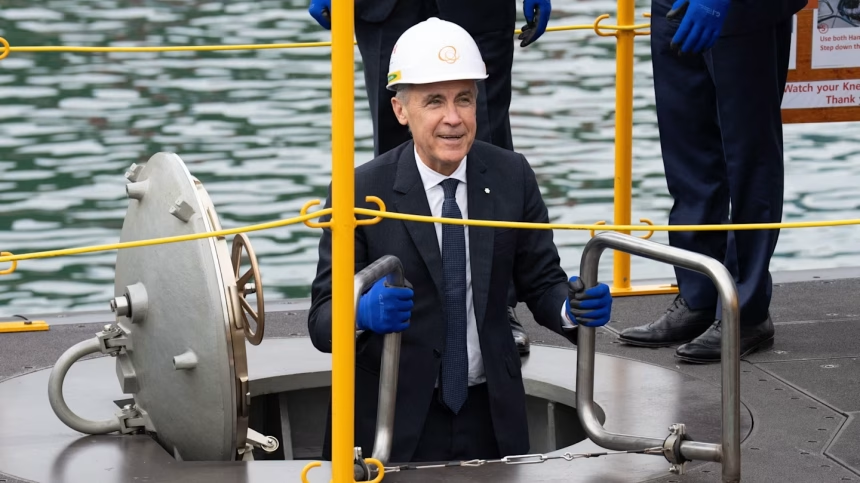
Canada is using a proposed C$40bn submarine purchase as leverage to attract large-scale investment into civilian industries such as automotive manufacturing, steel, energy, and mining, as it looks to reduce its economic reliance on the United States.
The plan to acquire 12 diesel-powered submarines capable of operating in Arctic waters has sparked a competitive showdown between South Korea’s Hanwha Group and a German-Norwegian partnership led by Thyssenkrupp Marine Systems. Final bids are expected next month, but Ottawa is signalling that military hardware alone will not be enough to secure the deal.
With trade relations between Canada and the US strained by new tariffs and renewed political pressure from President Donald Trump ahead of a renegotiation of the USMCA trade pact, Prime Minister Mark Carney’s government is pushing suppliers to offer wider economic benefits.
“Carney is taking advantage of a rare strategic moment created by this competition,” said Xavier Delgado of the Conference of Defence Associations Institute. “This is his own version of dealmaking — using defence procurement to reshape Canada’s economy.”
The urgency is underscored by recent economic data. Canada lost 24,000 jobs last month, with manufacturing absorbing the biggest hit. General Motors has already laid off hundreds of workers at an Ontario plant, and further losses are expected among suppliers.
The submarine programme forms part of the country’s largest defence spending push since the Second World War. It aligns with Ottawa’s longer-term goal of cutting dependence on the US while doubling trade with other partners over the next decade. Canada is also reassessing its agreement to purchase 88 US-made F-35 fighter jets.
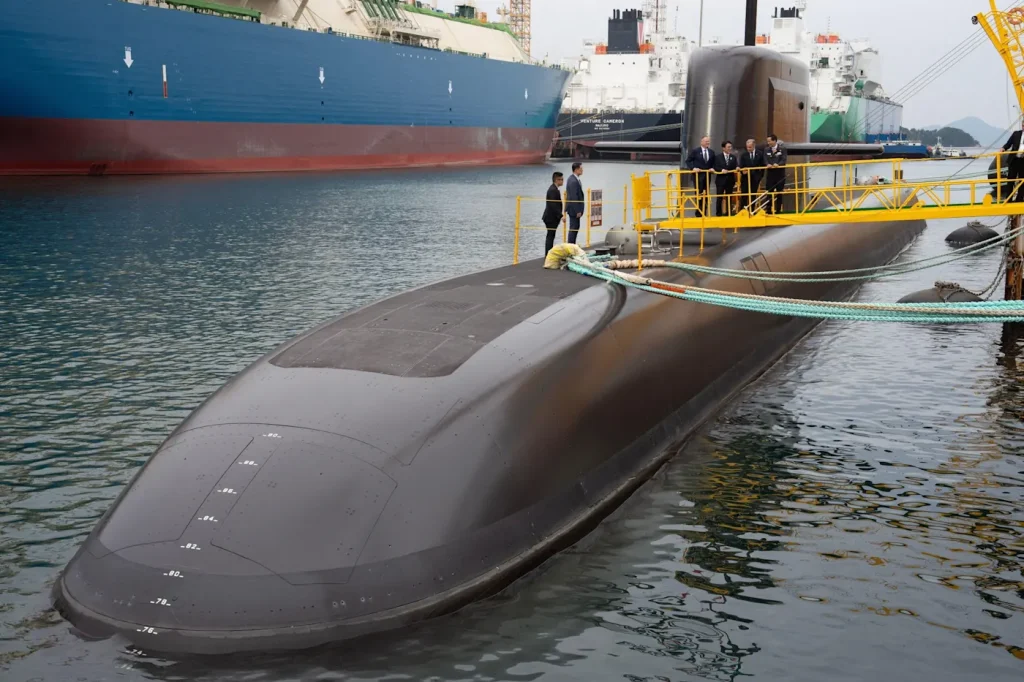
“We can’t keep doing things the same way,” said Stephen Fuhr, Canada’s secretary of state for defence procurement. “We’ll still work closely with the US, but we can’t be this dependent.”
Ottawa has expanded its demands beyond defence, seeking commitments in unrelated sectors. South Korea’s presidential chief of staff Kang Hoon-sik said Canada’s foreign minister had encouraged Hyundai to consider automotive investment, hinting that European competitors might be prepared to offer more.
“They’re effectively saying: if we buy your weapons, this is what we expect in return,” Kang said, describing Canada’s strategy as an effort to drive competition between bidders.
Hyundai said it currently has no plans to manufacture vehicles in Canada but confirmed it is exploring cooperation opportunities, including hydrogen energy projects. Volkswagen declined to comment.
Canada’s approach has already produced tangible outcomes. Hanwha Ocean recently signed a C$345mn agreement with Algoma Steel to develop a new steel beam mill in Ontario, where layoffs have followed the impact of US tariffs. Hanwha has also reached partnership agreements with Canadian firms in AI, satellite technology, and software.
For South Korea, the submarine deal is strategically significant. Defence exports — alongside memory chips — are among the few growth areas in an economy facing pressure from Chinese competition and US trade barriers. Winning the Canadian contract would also support President Lee Jae Myung’s ambition to make South Korea the world’s fourth-largest arms exporter.
Germany, meanwhile, is promoting long-term strategic integration. Its proposal would bring Canada into an existing submarine partnership with Norway, allowing for shared training, logistics, and Arctic operations using the Type 212CD platform.
“This is not just about selling submarines,” German defence minister Boris Pistorius has said. “It’s about cooperation that lasts decades.”
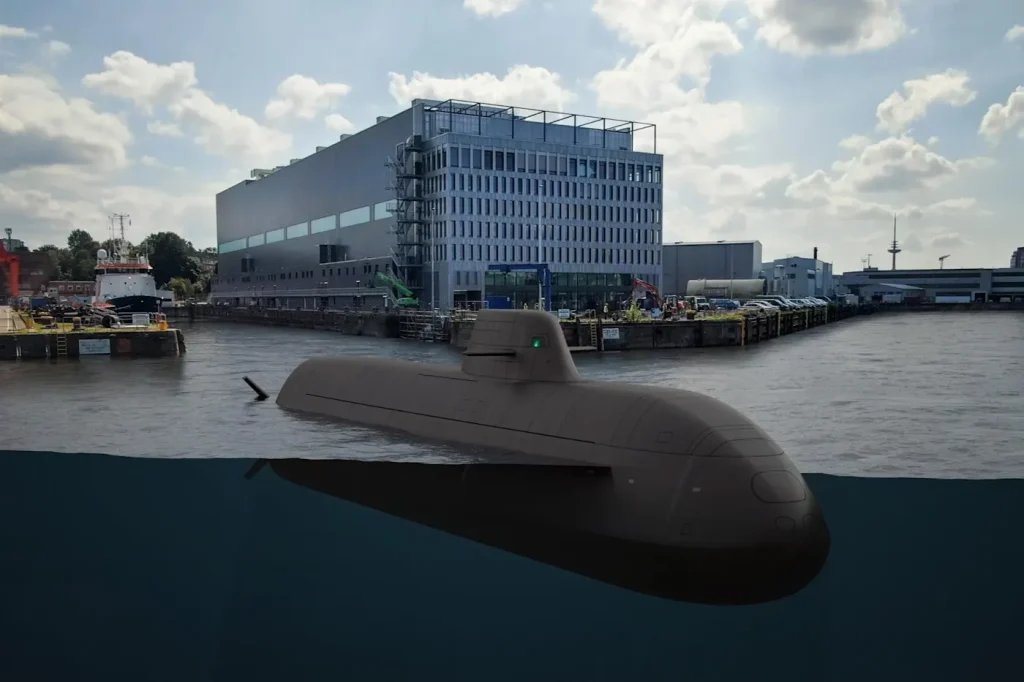
Some Canadian defence analysts argue that Nato alignment gives Germany an advantage, while others note South Korea’s aggressive industrial partnerships and faster production timelines.
Critics within the military warn that political and economic considerations risk overshadowing urgent security needs. Still, Fuhr insists the final decision will prioritise national economic benefit.
Read more: Trump Warns of 100% Tariffs After Canada Rejects China Trade Deal
“The winning bid,” he said, “will be the one that delivers the strongest overall opportunity for Canada.”