

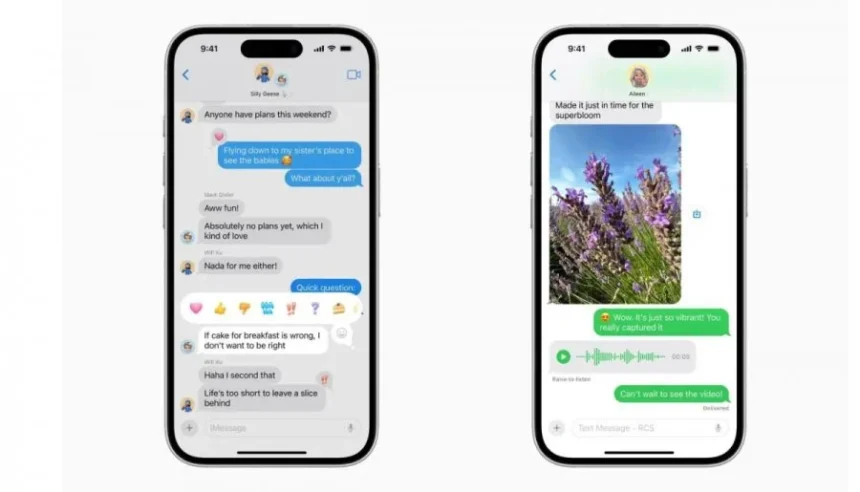
Apple is preparing one of its most significant updates to iPhone messaging in more than ten years. The company is expanding support for Rich Communication Services, commonly known as RCS, in an effort to modernize communication between iPhone and Android users.
This change represents a major step toward improving cross-platform messaging, an area where Apple has historically maintained a clear distinction between its own ecosystem and others. While the update promises better features and improved functionality, it also raises important questions about privacy and security.
A Long-Standing Divide in Messaging
Since the introduction of iMessage in 2011, Apple has clearly separated its messaging experience into two categories. Messages sent between Apple devices appear as blue bubbles, while messages sent to non-Apple devices appear as green bubbles.
This visual distinction is more than just a design choice. It reflects a fundamental difference in how messages are transmitted and secured.
Blue bubble messages use Apple’s proprietary system, which includes end-to-end encryption. This means that only the sender and the recipient can read the content of the messages. Even Apple itself cannot access these conversations while they are in transit.
Green bubble messages, on the other hand, rely on older technologies such as SMS or MMS. These formats do not offer the same level of protection, making them more vulnerable to interception or unauthorized access.
For years, this divide has shaped the way users perceive messaging on the iPhone. It has also influenced broader conversations about privacy, exclusivity, and platform loyalty.
What Is RCS and Why Does It Matter
Rich Communication Services is often described as the next evolution of traditional SMS. It introduces features that users have come to expect from modern messaging apps, including typing indicators, read receipts, high-quality media sharing, and improved group chats.
For Android users, RCS has already become a standard feature in many messaging apps. However, Apple’s lack of support has historically limited its effectiveness as a universal communication protocol.
By adopting RCS, Apple is signaling a shift toward greater interoperability. This means that conversations between iPhone and Android users could become more seamless and feature-rich, reducing the long-standing gap between the two platforms.
The Role of Encryption in Modern Messaging
One of the most important aspects of any messaging system is security. Apple has long emphasized that end-to-end encryption is central to its messaging philosophy.
With iMessage, encryption is built into the system by default. Messages are protected from the moment they leave the sender’s device until they reach the recipient. This level of security has become a key selling point for Apple devices, particularly among users who prioritize privacy.
However, traditional SMS does not offer this protection. Messages can potentially be accessed by carriers or intercepted during transmission. This difference has made cross-platform messaging less secure than conversations within Apple’s ecosystem.
The introduction of RCS aims to address some of these limitations, but the reality is more complex than it may appear.
Apple’s Approach to RCS Integration
Apple’s decision to support RCS marks a significant change in strategy. For years, the company resisted adopting the standard, preferring its own messaging system.
Now, Apple is taking steps to integrate RCS into the iPhone experience. This includes support for improved messaging features and, in some cases, the potential for encryption.
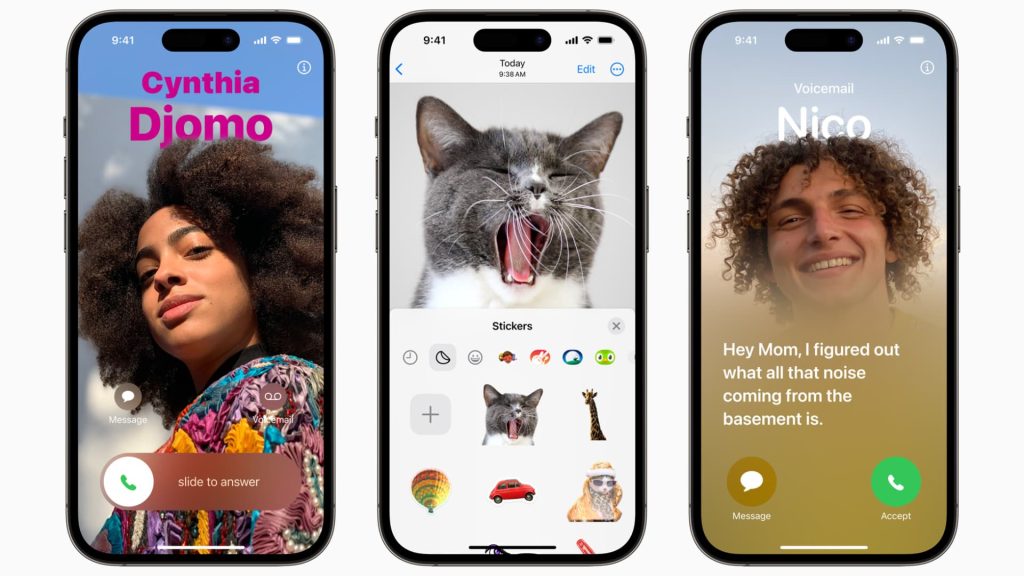
However, Apple has also made it clear that RCS does not automatically guarantee the same level of security as iMessage. The effectiveness of encryption depends on multiple factors, including carrier support and compatibility between devices.
This means that while some RCS messages may be encrypted, others may not be. The result is a system that can vary in security depending on the circumstances of each conversation.
The Challenge of Cross-Platform Encryption
One of the biggest challenges facing RCS is consistency. Unlike iMessage, which operates within a controlled ecosystem, RCS relies on cooperation between different companies, carriers, and device manufacturers.
For encryption to work effectively, all parties involved must support the same standards. If even one part of the chain does not comply, the message may revert to a less secure format.
This fallback mechanism is a critical limitation. In cases where encryption is not supported, messages may default to standard RCS or even SMS. Both options offer weaker security compared to fully encrypted systems.
As a result, users may not always be aware of the level of protection applied to their messages. This uncertainty has become a key concern among privacy advocates and security experts.
Why Security Concerns Still Remain
Despite the improvements introduced by RCS, security concerns have not disappeared. Apple itself has previously highlighted the risks associated with non-encrypted messaging.
The company has noted that RCS messages are not always protected from third party access during transmission. While newer updates aim to improve this situation, the reliance on external systems means that vulnerabilities can still exist.
Another issue is user awareness. Many people assume that modern messaging systems are secure by default. However, the reality is that security can vary significantly depending on the technology being used.
This gap between perception and reality can lead to risky behavior, such as sharing sensitive information over channels that are not fully protected.
The Persistence of the Green Bubble
Even with the introduction of RCS, the familiar green bubble is not going away. Apple has confirmed that messages sent outside its ecosystem will continue to appear differently from iMessage conversations.
This visual distinction serves as a reminder that not all messages are created equal. While RCS may enhance the functionality of green bubble conversations, it does not fully eliminate the underlying differences in security and infrastructure.
For many users, the green bubble has become a symbol of cross-platform communication. Its continued presence highlights the ongoing divide between Apple’s ecosystem and the broader messaging landscape.
Implications for Users and the Industry
Apple’s move to support RCS could have far-reaching implications for the tech industry. By bridging the gap between iPhone and Android messaging, the company is taking a step toward a more unified communication experience.
At the same time, the update underscores the complexity of balancing innovation with security. While new features can improve usability, they can also introduce new risks if not implemented carefully.
For users, this means staying informed about how their messages are handled. Understanding the difference between encrypted and non encrypted communication is essential for making safe choices in a digital world.
The Future of Messaging on iPhone
As messaging technology continues to evolve, Apple’s approach will likely continue to adapt. The integration of RCS is just one part of a broader effort to modernize communication while maintaining a focus on privacy.
However, the challenges associated with cross platform messaging are unlikely to disappear overnight. Achieving consistent security across different systems will require ongoing collaboration between companies, carriers, and standards organizations.
In the meantime, users can expect gradual improvements in both functionality and security. The key will be ensuring that these advancements do not come at the cost of clarity or trust.
Conclusion
Apple’s adoption of Rich Communication Services marks a turning point in the evolution of iPhone messaging. It promises a more seamless experience between platforms, bringing new features to conversations that were previously limited by older technologies.
At the same time, the update highlights the ongoing importance of security. While encryption capabilities are expanding, they are not yet universal. The effectiveness of these protections depends on a complex network of systems working together.