

Altcoins Recovery remains one of the most closely watched topics in the cryptocurrency market as investors look for signs that alternative cryptocurrencies can reclaim their previous all-time highs. Over the past decade, altcoins such as Ethereum, Solana, Cardano, Polkadot, and many emerging blockchain projects have generated significant returns during major bull markets, attracting both retail and institutional investors. Their rapid growth was fueled by blockchain innovation, decentralized finance (DeFi), NFTs, and increasing adoption across various industries. These success stories created expectations that every market correction would eventually lead to another powerful rally. However, the digital asset landscape has changed considerably, making future recoveries far more uncertain than in earlier market cycles.
- Historical Altcoin Cycles and Market Behavior
- Market Dominance of Bitcoin
- Regulatory Environment and Its Impact on Altcoins
- Investor Sentiment and Behavioral Finance
- Technological and Fundamental Challenges
- Altcoins in the DeFi and NFT Ecosystems
- Liquidity Dynamics and Market Depth
- Macro and Global Economic Factors
- Case Studies: Specific Altcoins
- Technical Analysis Indicators
- Altcoins Recovery Depends on Real-World Utility
- Altcoins Recovery Could Improve with Better Market
- Potential Strategies for Investors
- Key Takeaways from Analyst Reports
- FAQ’s
- Why do analysts believe altcoins won’t recover previous highs?
- Which altcoins are most affected by this outlook?
- How does Bitcoin dominance impact altcoin recovery?
- What role does regulation play in limiting altcoin growth?
- Can institutional investment influence altcoin prices?
- Are there strategies for investing in altcoins under current conditions?
- Is long-term growth still possible for altcoins?
- Conclusion
Today, analysts believe that Altcoins Recovery faces several significant challenges, including macroeconomic uncertainty, tighter monetary policies, stricter regulatory oversight, and changing investor sentiment. Bitcoin continues to attract the majority of institutional capital, while thousands of competing cryptocurrencies divide market liquidity and reduce demand for older projects. In addition, technological competition, slower ecosystem growth, and reduced speculative trading have weakened the momentum that once drove explosive altcoin gains.
While fundamentally strong projects may still achieve long-term success, experts caution that many altcoins may never revisit their previous peak valuations. This article explores the key factors behind this outlook and what investors should consider before making investment decisions.
Historical Altcoin Cycles and Market Behavior
Altcoins have traditionally followed a cyclical pattern in the cryptocurrency market, often amplifying Bitcoin’s trends. These cycles include:
- Early Accumulation: When Bitcoin gains momentum, some capital flows into altcoins, creating initial price surges.
- Speculative Mania: Retail investors enter altcoins seeking high returns, often driving unsustainable spikes.
- Market Correction: Profits are taken, prices fall sharply, and weaker projects are weeded out.
- Consolidation and Maturation: The market stabilizes, successful projects gain adoption, and weak coins fade.
Analysts argue that altcoins’ previous peaks often occurred during speculative mania phases rather than being driven by sustainable adoption. As a result, regaining those heights would require similar speculative conditions, which are less likely in a more mature and regulated market environment.
Historical examples illustrate this:
- Ethereum (ETH): Reached $4,800 in late 2021, primarily fueled by DeFi hype and NFT mania. Despite strong fundamentals, ETH has struggled to replicate these gains consistently without broader market support.
- Cardano (ADA): Saw rapid growth during the 2021 bull market due to staking and network upgrade speculation. Current activity suggests the altcoin is consolidating rather than racing toward prior highs.
- Solana (SOL) and Other Smart Contract Platforms: Rapid growth in 2021 was driven by decentralized application adoption and venture capital inflows, but systemic challenges and market saturation have tempered their upward trajectory.
These patterns suggest that speculative exuberance, rather than fundamental adoption, often drives altcoin highs. Analysts caution that without similar drivers, full recovery is unlikely.
Market Dominance of Bitcoin
Bitcoin continues to dominate the cryptocurrency market, controlling approximately 40–45% of total market capitalization as of early 2026. Its influence on altcoins is profound:
- Liquidity Allocation: Bitcoin’s market movements dictate investor liquidity flows. During Bitcoin rallies, altcoins often follow, but sustained gains depend on Bitcoin’s overall trend.
- Risk Appetite: Bitcoin is viewed as a lower-risk asset relative to altcoins. During periods of market uncertainty, capital flows from altcoins back into Bitcoin.
- Market Psychology: Many altcoin investors use Bitcoin as a benchmark, adjusting their positions based on BTC price action.
The analyst consensus is that as long as Bitcoin maintains its dominance, altcoins may struggle to regain prior highs without Bitcoin-driven bull markets.
Regulatory Environment and Its Impact on Altcoins
Increasing regulatory scrutiny has emerged as a major factor limiting altcoin recovery. Governments and financial authorities worldwide have intensified oversight on cryptocurrencies, particularly altcoins, which are often viewed as riskier and less transparent than Bitcoin.
Key Regulatory Considerations:
- Securities Classification: Many altcoins face scrutiny as potential unregistered securities, which could limit trading options on regulated exchanges.
- Investor Protection Measures: Compliance requirements and anti-fraud measures reduce the likelihood of speculative bubbles.
- DeFi Regulation: Altcoins heavily involved in DeFi platforms may face stricter rules on lending, borrowing, and yield generation.
- Taxation and Reporting: Increased reporting obligations may deter speculative investors from altcoin markets.
As a result, regulatory pressure can suppress extreme price surges, reducing the chance of reaching previous speculative highs.
Investor Sentiment and Behavioral Finance
Investor psychology plays a pivotal role in altcoin pricing. Analysts highlight that retail FOMO (fear of missing out) and institutional risk aversion are now more balanced, resulting in restrained speculative behavior.
- Retail Investors: After repeated bull-bear cycles, retail investors are less likely to chase extreme altcoin rallies.
- Institutional Investors: Institutions typically prefer Bitcoin and large-cap altcoins with strong fundamentals, avoiding smaller, riskier tokens.
- Market Caution: Volatility awareness and risk-adjusted investment strategies have matured, dampening impulsive buying that fueled previous altcoin peaks.
Behavioral finance suggests that without overwhelming optimism and speculative mania, altcoins are unlikely to replicate prior highs.
Technological and Fundamental Challenges
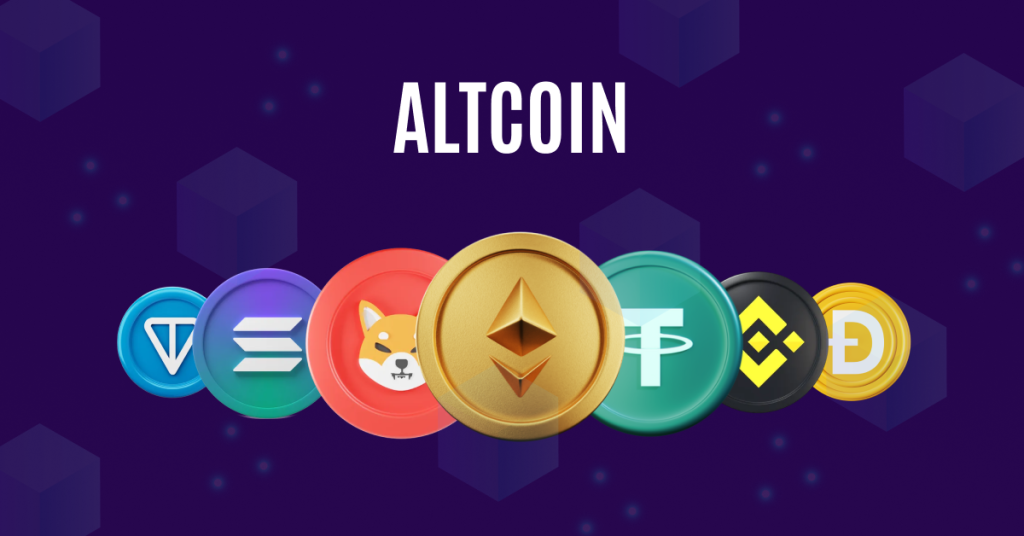
Many altcoins face significant technological hurdles that limit growth:
- Scalability Issues: Networks like Ethereum, Solana, and Cardano are still optimizing transaction speeds, gas fees, and network stability.
- Competition: New smart contract platforms and Layer 2 solutions challenge the relevance of older altcoins.
- Project Execution Risks: Development delays, security vulnerabilities, and governance issues have tempered investor enthusiasm.
- Tokenomics: Some altcoins have inflationary supply models that make price appreciation difficult without sustained demand.
Fundamental adoption remains key, but analysts note that technological limitations and competition create headwinds against rapid price recovery.
Altcoins in the DeFi and NFT Ecosystems
Decentralized finance and non-fungible tokens historically drove altcoin surges. However, current trends indicate a more measured growth trajectory:
- DeFi Maturity: The DeFi ecosystem has matured, and early high-yield opportunities have normalized, reducing speculative fervor.
- NFT Market Evolution: NFT hype has cooled since 2021, meaning altcoins associated with NFT platforms are less likely to experience explosive rallies.
- Utility-Driven Adoption: Investors increasingly focus on utility and real-world application rather than purely speculative opportunities.
While these ecosystems remain critical, their ability to replicate previous speculative-driven highs is limited.
Liquidity Dynamics and Market Depth
Altcoins with low liquidity are particularly vulnerable to market swings. Analysts note that:
- Thin Markets: Small-cap altcoins experience exaggerated price swings due to low trading volume.
- ETF and Institutional Influence: Most regulated crypto products focus on Bitcoin and major altcoins like Ethereum, leaving smaller altcoins with fewer institutional inflows.
- Capital Concentration: Top-tier altcoins attract the majority of investment capital, leaving less liquidity for mid- and low-cap coins.
Low liquidity limits the ability for altcoins to sustain rapid price spikes, further reducing chances of reaching prior highs.
Macro and Global Economic Factors
Broader macroeconomic conditions affect altcoin recovery potential:
- Interest Rates and Inflation: Higher interest rates reduce appetite for risk assets like altcoins.
- Equity Market Correlation: Altcoins often correlate with tech stocks and risk-on assets. Market weakness in these sectors suppresses altcoin growth.
- Geopolitical Risks: Uncertainty in global markets can shift capital away from speculative investments toward safer assets.
These macro trends create headwinds for altcoins attempting to reclaim prior peaks.
Case Studies: Specific Altcoins
Ethereum (ETH)
- Experienced all-time highs near $4,800 in 2021.
- Current levels are below prior peaks, reflecting consolidation.
- ETF inflows and Ethereum 2.0 upgrades support price but full recovery to prior highs is uncertain.
Solana (SOL)
- Gained massive traction in 2021 due to speed and low fees.
- Network outages and competition have limited upside potential.
Cardano (ADA)
- Previously surged due to staking and smart contract hype.
- Price recovery remains challenged by slower development execution and market saturation.
Smaller Altcoins
- Most smaller tokens are unlikely to regain speculative highs due to reduced investor interest and low liquidity.
Technical Analysis Indicators
Analysts use a variety of technical tools to assess altcoin recovery potential:
- Support and Resistance Levels: Many altcoins are trading below prior peaks, with resistance near all-time highs.
- Moving Averages: Long-term trends often remain bearish for smaller altcoins.
- RSI and MACD: Indicators suggest neutral to slightly bearish sentiment for mid- and small-cap altcoins.
Technical factors align with the analyst view that prior highs are unlikely in the near term.
Altcoins Recovery Depends on Real-World Utility
The success of Altcoins Recovery will largely depend on whether cryptocurrency projects can demonstrate real-world value beyond speculation. Investors are increasingly favoring blockchain networks that solve practical problems, support decentralized applications, and maintain active developer communities. Projects with growing ecosystems and consistent technological improvements are more likely to attract long-term investment than those relying solely on market hype.
As the cryptocurrency industry matures, adoption has become a stronger price driver than speculation. Altcoins that expand their use cases in decentralized finance (DeFi), gaming, artificial intelligence (AI), and enterprise blockchain solutions stand a better chance of recovering previous highs. Analysts believe sustainable growth will come from innovation and utility rather than short-lived market excitement.
Altcoins Recovery Could Improve with Better Market
Although analysts remain cautious, Altcoins Recovery is still possible if broader economic and market conditions become more favorable. Lower interest rates, increased institutional participation, and clearer cryptocurrency regulations could encourage fresh capital to enter the digital asset market. Historically, stronger Bitcoin performance has also created positive momentum for leading altcoins.
Investor confidence will play a crucial role in determining the pace of any recovery. If blockchain adoption continues to grow and liquidity returns to the market, fundamentally strong altcoins may benefit the most. However, experts expect future gains to be more selective, rewarding projects with solid fundamentals, active development, and sustainable business models rather than speculative tokens.
Potential Strategies for Investors
Given the outlook, investors may consider:
- Focus on Major Altcoins: Stick to Ethereum, Solana, or Cardano, which have stronger fundamentals.
- Diversification: Reduce risk by allocating across multiple crypto assets.
- Staking and Yield Opportunities: Generate returns without relying solely on price appreciation.
- Risk Management: Employ stop-losses and position sizing to mitigate downside.
- Long-Term Perspective: Recognize that market cycles are normal and patience may be rewarded.
Key Takeaways from Analyst Reports
- Speculative peaks are unlikely to be repeated in the near term.
- Institutional participation focuses on Bitcoin and major altcoins.
- Regulatory pressures limit extreme market exuberance.
- Technological and adoption challenges cap upside potential.
- Investors should prioritize fundamentals, liquidity, and risk management.
Read More: Ethereum Reclaims $2,000 Support as ETF Inflows Resume
FAQ’s
Why do analysts believe altcoins won’t recover previous highs?
Analysts cite market maturity, regulatory pressure, limited liquidity, and reduced speculative frenzy as key reasons preventing altcoins from regaining prior peaks.
Which altcoins are most affected by this outlook?
Mid- and small-cap altcoins face the greatest challenges, while major coins like Ethereum, Solana, and Cardano retain stronger fundamental support.
How does Bitcoin dominance impact altcoin recovery?
Bitcoin’s market dominance directs investor capital and sentiment; altcoins often struggle to rally independently when Bitcoin leads the market.
What role does regulation play in limiting altcoin growth?
Regulatory scrutiny on securities classification, DeFi platforms, and trading practices reduces speculative inflows and curbs extreme price surges.
Can institutional investment influence altcoin prices?
Institutions primarily invest in Bitcoin and top-tier altcoins, stabilizing those markets but leaving smaller altcoins with fewer inflows and lower upside potential.
Are there strategies for investing in altcoins under current conditions?
Yes—investors can focus on major coins, diversify portfolios, use staking or yield opportunities, and apply disciplined risk management strategies.
Is long-term growth still possible for altcoins?
Yes, altcoins with strong fundamentals, technological innovation, adoption in DeFi/NFT ecosystems, and network utility can achieve measured, sustainable growth over time.
Conclusion
Analysts suggest that the days of explosive altcoin rallies without underlying adoption may be fading. While the crypto sector continues to innovate and attract investment, full recovery to prior highs for most altcoins is unlikely under current market conditions.
Investors should adapt to a more mature, regulated, and utility-driven market, focusing on assets with strong fundamentals, institutional backing, and long-term growth potential. The era of speculative euphoria is giving way to measured growth, technological innovation, and selective adoption—a shift that requires careful strategy, disciplined investing, and realistic expectations.