


The cryptocurrency industry is entering a phase of structural recalibration. After years defined by rapid innovation, speculative cycles, regulatory crackdowns, and institutional experimentation, the market is now witnessing a convergence of two powerful forces: consolidation around Bitcoin as a reserve-grade digital asset and the expansion of regulated crypto frameworks in emerging economies.
- Understanding Binance’s SAFU Fund
- Why Convert SAFU to Bitcoin?
- Bitcoin as the Industry’s Reserve Asset
- Simplifying Proof-of-Reserves Transparency
- Liquidity and Crisis Readiness
- Strategic Market Signaling
- Market Implications of the $1 Billion Conversion
- Short-Term Impact on Bitcoin Price
- Bitcoin Dominance and Altcoin Rotation
- Exchange Risk Management Evolution
- Thailand’s Expanding Crypto Framework
- Why Thailand’s Expansion Matters
- Southeast Asia as a Growth Region
- Regulatory Clarity Encourages Institutional Entry
- Integration with Traditional Financial Infrastructure
- The Convergence: Binance Strategy Meets Regional Expansion
- Global Context: The Post-Crisis Crypto Landscape
- Risks and Counterarguments
- Long-Term Outlook
- Strategic Takeaways for Investors
- FAQ’s
- Why did Binance convert $1 billion of SAFU into Bitcoin?
- What is SAFU and why is it important?
- How does Binance’s Bitcoin conversion affect the market?
- Why is Thailand expanding its crypto regulations?
- How does Thailand’s crypto expansion impact the Southeast Asian market?
- What risks are associated with Binance holding SAFU in Bitcoin?
- What does this mean for investors and the crypto industry?
- Conclusion
Two developments illustrate this shift with clarity. First, Binance has converted $1 billion from its Secure Asset Fund for Users (SAFU) into Bitcoin. Second, Thailand is accelerating its digital asset adoption through regulatory clarity, licensing expansion, and broader fintech integration.
Individually, each move carries significance. Together, they signal an inflection point in how crypto exchanges manage risk and how sovereign jurisdictions approach digital asset integration.
This article provides a comprehensive analysis of the strategic motivations, market implications, regulatory context, and long-term outlook surrounding these developments.
Understanding Binance’s SAFU Fund
To appreciate the importance of the $1 billion conversion, we must first examine SAFU’s role within Binance’s operational framework.
SAFU (Secure Asset Fund for Users) was established in 2018 as an emergency insurance mechanism. Binance committed a percentage of trading fees to this fund in order to protect users against extreme scenarios such as:
- Exchange hacks
- Security breaches
- System failures
- Unforeseen liquidity crises
Following the 2019 Binance security incident, SAFU was deployed to reimburse affected users, reinforcing its purpose as a risk mitigation buffer.
Historically, SAFU reserves have included a diversified basket of crypto assets, often including stablecoins such as USDT or BUSD, alongside major cryptocurrencies.
The decision to convert $1 billion into Bitcoin represents a deliberate strategic shift in reserve management philosophy.
Why Convert SAFU to Bitcoin?
There are several strategic layers behind this move.
Bitcoin as the Industry’s Reserve Asset
Bitcoin has increasingly emerged as the de facto reserve asset of the crypto ecosystem. Its defining characteristics include:
- A hard supply cap of 21 million coins
- Decentralized governance
- The largest and most secure proof-of-work network
- Deep global liquidity
Unlike many altcoins that rely on evolving tokenomics, Bitcoin’s monetary policy is fixed and predictable.
By reallocating SAFU reserves into Bitcoin, Binance is effectively reinforcing BTC’s status as the digital equivalent of a reserve commodity — comparable in perception (though not identical in structure) to gold within traditional financial systems.
Simplifying Proof-of-Reserves Transparency
The crypto industry has faced intensified scrutiny over reserve transparency, particularly following high-profile exchange collapses.
Holding SAFU reserves in Bitcoin offers several advantages:
- Greater ease of public verification
- Reduced counterparty exposure to stablecoin issuers
- Improved audit clarity
- Stronger liquidity during systemic stress
Bitcoin’s on-chain transparency allows market participants to verify wallet balances independently, strengthening trust.
Liquidity and Crisis Readiness
In a severe market stress event, liquidity becomes paramount. Bitcoin offers:
- The deepest order books in crypto markets
- Global trading pairs
- OTC desk access
- Institutional liquidity providers
In contrast, diversified altcoin reserves may suffer from liquidity fragmentation during crises.
By concentrating SAFU reserves into Bitcoin, Binance increases its ability to mobilize funds rapidly if needed.
Strategic Market Signaling
Beyond operational logic, the conversion also sends a symbolic message.
When the world’s largest exchange allocates $1 billion into Bitcoin reserves, it reinforces confidence in BTC’s long-term structural dominance.
This is not merely a treasury adjustment. It is a signal of conviction.
Market Implications of the $1 Billion Conversion
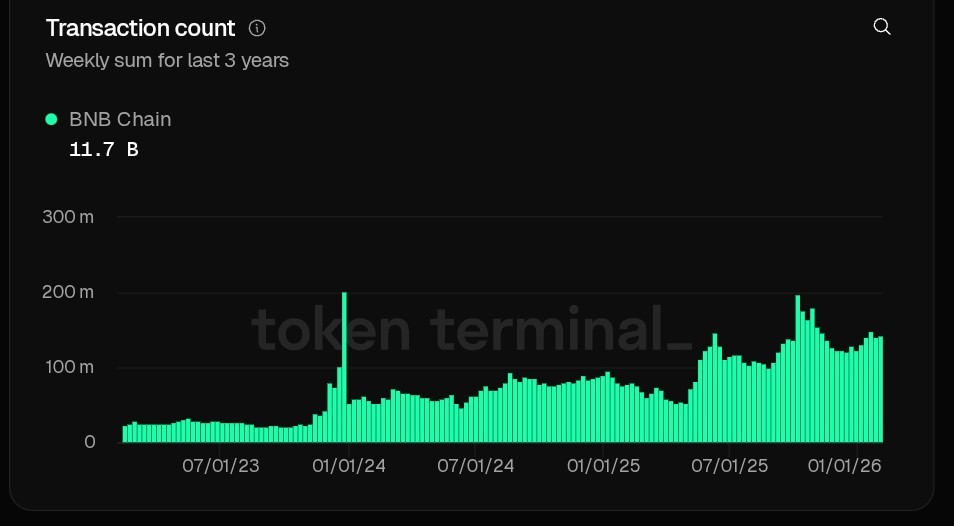
The conversion carries both immediate and structural implications.
Short-Term Impact on Bitcoin Price
If the conversion occurred via open market purchases, it could have:
- Increased spot demand
- Tightened short-term liquidity
- Elevated price volatility
However, if executed through OTC transactions, visible price impact may have been limited.
Nevertheless, large institutional reallocations often contribute to positive sentiment momentum.
Bitcoin Dominance and Altcoin Rotation
When major capital consolidates into Bitcoin, market structure tends to shift toward BTC dominance.
Historically, during periods of uncertainty:
- Capital exits speculative altcoins
- Bitcoin’s market share rises
- Volatility in smaller tokens increases
This dynamic can create temporary headwinds for altcoins while strengthening Bitcoin’s structural foundation.
Exchange Risk Management Evolution
Exchanges are no longer operating in a speculative vacuum. They must prioritize:
- Capital adequacy
- Reserve transparency
- Liquidity stress testing
- Regulatory compliance
The SAFU conversion signals that Binance is recalibrating its internal risk management toward conservative asset backing.
Thailand’s Expanding Crypto Framework
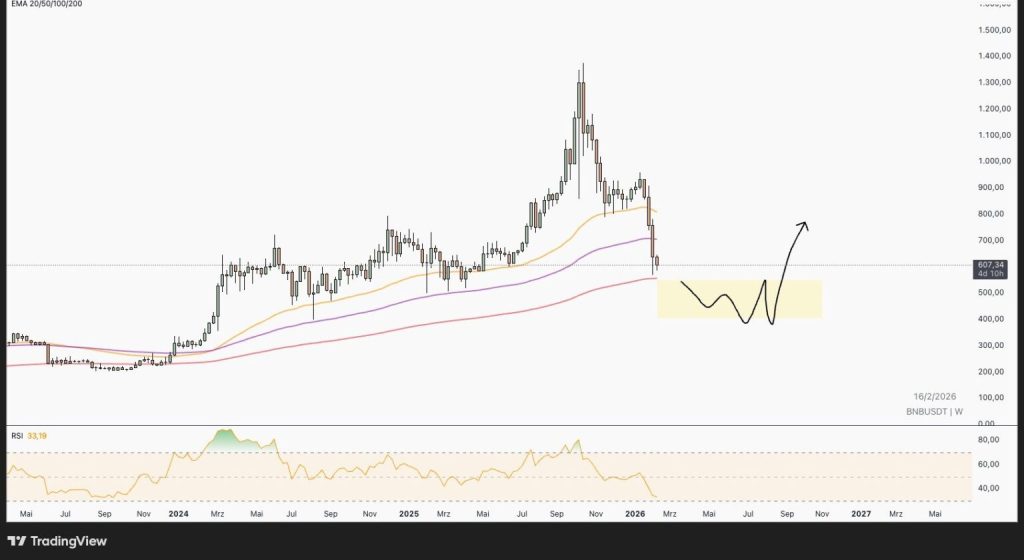
Parallel to Binance’s strategic shift, Thailand is expanding its regulated crypto environment.
The country has emerged as one of Southeast Asia’s more structured digital asset jurisdictions.
Crypto oversight in Thailand is governed by the Securities and Exchange Commission of Thailand, which has developed licensing frameworks for:
- Digital asset exchanges
- Broker-dealers
- ICO portals
- Custodial service providers
Rather than banning crypto activity, Thailand opted for regulation and supervision.
This approach encourages innovation while mitigating systemic risk.
Why Thailand’s Expansion Matters
Thailand’s crypto expansion is significant for several reasons.
Southeast Asia as a Growth Region
Southeast Asia is characterized by:
- High mobile penetration
- Rapid fintech adoption
- Growing retail investor participation
- Cross-border remittance demand
Crypto adoption in this region is not merely speculative — it often serves practical financial needs.
Regulatory Clarity Encourages Institutional Entry
Institutional investors require legal certainty.
By formalizing licensing procedures and compliance frameworks, Thailand reduces:
- Legal ambiguity
- Operational risk
- Regulatory unpredictability
This clarity may attract both domestic and foreign crypto businesses.
Integration with Traditional Financial Infrastructure
Thailand’s regulators have demonstrated openness toward integrating digital assets within broader financial systems.
Potential developments include:
- Regulated stablecoin usage
- Institutional custody services
- Blockchain settlement experiments
- Cross-border digital payments
Such integration strengthens ecosystem legitimacy.
The Convergence: Binance Strategy Meets Regional Expansion
The simultaneous emergence of stronger exchange reserves and expanding regulatory clarity represents a maturation phase for crypto markets.
Consider the implications:
- Exchanges are strengthening internal safeguards.
- Governments are providing legal frameworks.
- Institutional investors are cautiously increasing exposure.
- Bitcoin is solidifying its reserve status.
These trends collectively reduce systemic fragility.
Global Context: The Post-Crisis Crypto Landscape
In recent years, crypto markets experienced:
- Exchange failures
- Stablecoin collapses
- Liquidity crises
- Regulatory enforcement waves
As a result, the industry has entered a phase of structural strengthening.
Binance’s SAFU consolidation into Bitcoin aligns with this defensive repositioning.
Thailand’s regulatory expansion aligns with global efforts to formalize digital asset governance.
Risks and Counterarguments
Despite optimistic framing, risks remain.
Concentration Risk
Holding $1 billion primarily in Bitcoin increases exposure to BTC volatility.
While Bitcoin is more stable than many altcoins, it remains volatile compared to traditional reserve assets.
Regulatory Evolution
Regulatory stances can shift rapidly. Thailand’s framework may evolve as global standards change.
Macro Liquidity Sensitivity
Crypto markets remain sensitive to:
- Interest rate cycles
- Dollar strength
- Equity market volatility
- Global risk appetite
Even structurally positive developments can be overshadowed by macro tightening.
Long-Term Outlook
The SAFU conversion and Thailand’s regulatory expansion may represent foundational steps toward a more resilient crypto ecosystem.
Key long-term implications include:
- Strengthening Bitcoin’s institutional identity
- Enhancing exchange solvency confidence
- Encouraging regional crypto adoption
- Supporting broader fintech integration
If sustained, these trends may reduce systemic volatility over time.
Strategic Takeaways for Investors
Investors should monitor:
- Bitcoin dominance trends
- Exchange reserve disclosures
- Regulatory developments in Southeast Asia
- Institutional capital flows
- Stablecoin liquidity shifts
The intersection of exchange strategy and regulatory clarity often precedes major market phases.
Read More: Is SUI Price Falling Even as Network Activity Expands?
FAQ’s
Why did Binance convert $1 billion of SAFU into Bitcoin?
Binance converted a portion of its SAFU reserves into Bitcoin to strengthen reserve liquidity, reduce altcoin exposure, simplify proof-of-reserves reporting, and signal confidence in BTC as a stable digital reserve asset.
What is SAFU and why is it important?
SAFU (Secure Asset Fund for Users) is Binance’s emergency fund, established to protect users in case of hacks, system failures, or extreme market events. It serves as a financial safety net for users and reinforces trust in the exchange.
How does Binance’s Bitcoin conversion affect the market?
Large conversions into Bitcoin can increase demand, reinforce BTC dominance, and influence investor sentiment. However, if executed via OTC trades, immediate market price impact may be limited. It signals long-term confidence in BTC’s stability.
Why is Thailand expanding its crypto regulations?
Thailand is formalizing crypto oversight to encourage innovation while protecting investors. By licensing exchanges, brokers, and custodians, regulators provide legal clarity, attracting both institutional and retail participants.
How does Thailand’s crypto expansion impact the Southeast Asian market?
Thailand’s regulatory clarity supports broader adoption, encourages fintech integration, and attracts foreign investment. It strengthens regional liquidity, enhances compliance standards, and positions Southeast Asia as a growing hub for digital assets.
What risks are associated with Binance holding SAFU in Bitcoin?
Concentrating $1 billion in Bitcoin increases exposure to BTC price volatility. While safer than holding smaller altcoins, it still carries market risk. Regulatory changes, macroeconomic cycles, and liquidity fluctuations can also affect reserve stability.
What does this mean for investors and the crypto industry?
These developments indicate a maturing crypto ecosystem. Institutional reserve strategies, regulatory clarity, and growing adoption suggest increased market stability. Investors may view Bitcoin as a more resilient digital asset, and emerging markets like Thailand as viable growth regions.
Conclusion
The decision by Binance to convert $1 billion of SAFU reserves into Bitcoin is more than a treasury adjustment. It reflects a broader structural realignment within the crypto industry.
Simultaneously, Thailand’s expanding regulatory ecosystem demonstrates how emerging markets are embracing digital assets through supervision rather than prohibition.