

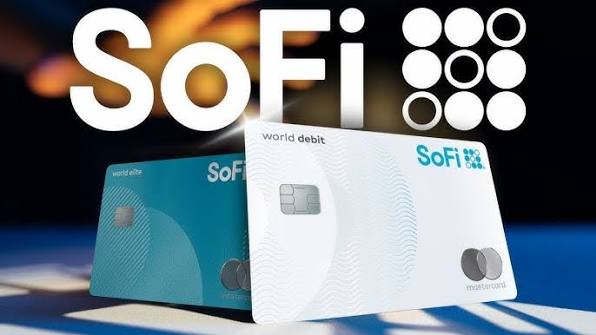
SoFi Bank has developed into a prominent digital financial platform offering checking, savings, credit, investing and borrowing services through one application. Its Checking and Savings product is particularly attractive to Americans looking for no monthly account fees, savings automation and potential access to a competitive annual percentage yield.
- What Is SoFi Checking and Savings?
- Monthly Fees and Minimum Balance
- SoFi Checking Account
- SoFi Savings Account and APY Requirements
- Early Paycheck
- Savings Vaults
- Autopilot and Roundups
- ATM Access
- Cash Deposits
- Overdraft Coverage
- Integrated Financial Platform
- FDIC Insurance
- Advantages of SoFi Bank
- Potential Disadvantages
- Who Should Use SoFi Bank?
- Who May Prefer Another Bank?
- Is SoFi Bank Safe?
- Final Verdict
This SoFi Bank review examines its current banking structure, direct-deposit benefits, savings tools, ATM access, cash-deposit limitations and suitability for different customers.
What Is SoFi Checking and Savings?
SoFi’s consumer banking product combines a checking account with a savings account. When a customer opens SoFi Checking, SoFi also opens an associated Savings Account in that customer’s name.
This integrated model is designed to make moving money between spending and savings simple. Customers can maintain money for daily expenses in checking while keeping emergency funds and goal-based savings in the connected savings account.
The accounts are managed through SoFi’s website and mobile application rather than through a large network of traditional branches.
Monthly Fees and Minimum Balance
SoFi does not charge monthly account, service or maintenance fees for its Checking and Savings accounts. It also does not require customers to maintain a minimum balance merely to keep the account open.
This fee structure can benefit customers with irregular income, students, young professionals and households that do not want to monitor waiver requirements every month.
Although the core accounts have no monthly fee, specific services may still involve charges. SoFi lists potential fees for services such as certain outgoing wires, instant transfers, global remittance transactions and partner-assisted cash deposits. Customers should review the current fee sheet before using these services.
SoFi Checking Account
The SoFi Checking Account is intended for routine financial activity, including:
- Direct deposits
- Debit-card purchases
- Bill payments
- Electronic transfers
- ATM withdrawals
- Person-to-person payments
- Digital-wallet transactions
SoFi provides a Mastercard debit card, which can be added to a compatible digital wallet. The bank states that newly approved customers may be able to begin using account details and digital payment functions before the physical card arrives.
The account also pays interest, although checking and savings rates can differ and are subject to change.
SoFi Savings Account and APY Requirements
SoFi’s savings rate is one of its most heavily promoted benefits, but customers need to understand the qualification structure.
As of the verified 2026 rate information, customers could earn the elevated standard savings APY by receiving an eligible direct deposit or depositing at least $5,000 during each qualifying 31-day period. Promotional boosts may temporarily raise the APY for eligible new members, but promotional rates have separate terms and expiration dates.
Customers who do not satisfy the qualifying activity may receive a lower rate. Therefore, SoFi is generally most attractive to people who can route regular payroll, pension or government-benefit deposits to the account.
An advertised APY should never be treated as permanently fixed. Savings rates can rise or fall in response to market conditions and bank policies.
Early Paycheck
Customers who receive qualifying direct deposits may get paid up to two days before their scheduled payday. The actual timing depends on when the payer transmits the deposit instructions.
Early paycheck access does not increase the amount of the salary. It simply makes eligible funds available sooner. It can help customers manage bill due dates, but users should avoid treating the earliest possible arrival date as guaranteed.
SoFi identifies early paycheck access as one of the core benefits available with qualifying deposits.
Savings Vaults
SoFi Vaults are virtual savings categories located within the SoFi Savings Account. They allow users to organize money for separate purposes without opening multiple independent savings accounts.
Common Vault goals include:
- Emergency fund
- Vacation
- Home down payment
- Vehicle purchase
- Medical expenses
- Annual insurance
- Education
- Tax payments
Money assigned to a Vault remains part of the customer’s savings relationship. The Vault simply helps identify the purpose of the funds.
SoFi states that customers can create Vaults for individual goals and move money between the main savings balance and selected Vaults.
Autopilot and Roundups
SoFi provides automatic savings features through Autopilot.
Customers can arrange:
- Recurring transfers
- Automatic allocation of part of each paycheck
- Transfers to specific Vaults
- Debit-card Roundups
With Roundups, an eligible debit-card purchase is rounded to the next whole dollar, and the difference is directed to a selected Savings Vault.
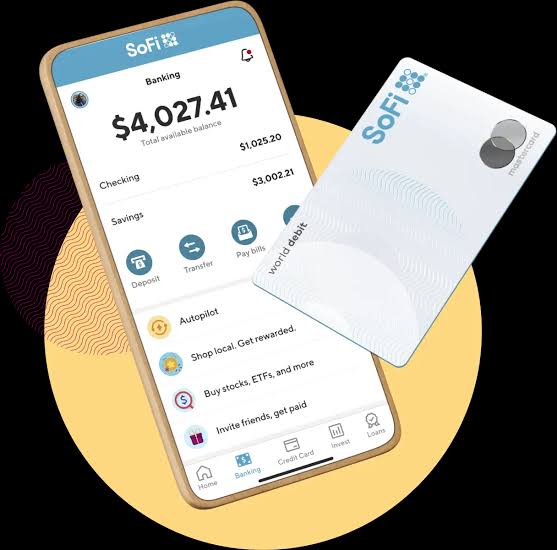
For example, a qualifying $8.40 purchase could create a $0.60 transfer into savings. Small transfers may not feel significant individually, but they can support a savings habit when used consistently.
Customers should still maintain enough checking funds for scheduled payments. Automated transfers can become inconvenient when the account balance is already tight.
ATM Access
SoFi customers can use more than 55,000 Allpoint ATMs without a SoFi ATM fee. Out-of-network ATM operators may charge their own fees, and SoFi generally does not reimburse those third-party charges.
The network is large enough for many customers, but availability varies by location. People who use cash regularly should check nearby Allpoint locations before making SoFi their primary bank.
Cash Deposits
Cash deposits are possible through participating Green Dot retail locations. The customer typically presents the SoFi debit card and cash to an eligible retailer that supports the service.
SoFi itself may not charge a cash-deposit fee, but its retail partners may charge as much as $4.95 per deposit.
This makes SoFi less attractive for people who deposit cash frequently. A customer depositing small cash amounts several times each month could lose a meaningful portion of the money to retailer fees.
SoFi is better suited to electronic deposits, ACH transfers and payroll payments.
Overdraft Coverage
SoFi advertises no overdraft fees, although access to overdraft coverage is subject to eligibility requirements.
The bank’s published information states that qualifying customers with at least $1,000 in total monthly direct deposits may be eligible for overdraft coverage of up to $50. Any covered negative amount is deducted from a future deposit.

This feature can provide temporary protection against a small shortfall, but it should not be treated as a replacement for an emergency fund. Customers remain responsible for returning the account to a positive balance.
Integrated Financial Platform
A key difference between SoFi and many standalone online banks is the broader SoFi ecosystem. Depending on eligibility and product availability, the same application may include access to:
- Personal loans
- Student-loan refinancing
- Home loans
- Credit cards
- Investing
- Retirement accounts
- Credit monitoring
- Financial insights
Customers who prefer managing several financial products through one application may appreciate this integration.
However, convenience can also encourage users to open financial products they do not need. Every loan, investment or credit product should be evaluated separately rather than selected solely because it appears in the same app.
FDIC Insurance
SoFi Bank is FDIC-insured. Standard eligible deposits are covered according to FDIC ownership rules.
The standard insurance amount is $250,000 per depositor, per insured bank, for each ownership category.
SoFi also advertises the possibility of expanded FDIC coverage through a deposit network involving participating banks. Customers using that program should review how funds are allocated, which partner banks receive deposits and whether they already hold money at those institutions.
Advantages of SoFi Bank
SoFi’s strongest benefits include:
- No monthly Checking and Savings account fees
- No minimum balance requirement
- Competitive savings potential for qualifying customers
- Early paycheck access
- More than 55,000 fee-free Allpoint ATMs
- Vaults for goal-based savings
- Automatic savings features
- Debit-card Roundups
- Conditional overdraft coverage
- Integration with other financial products
It is particularly convenient for someone whose income arrives through direct deposit.
Potential Disadvantages
SoFi also has limitations:
- The highest standard savings rate requires qualifying activity
- Promotional APY boosts expire
- Cash-deposit partners may charge a fee
- Out-of-network ATM fees are generally not reimbursed
- No traditional nationwide branch network
- Multiple financial products in one app may feel overwhelming
- Certain benefits depend on direct-deposit thresholds
- Rates and promotions can change quickly
Customers who receive income in cash or cannot meet the rate qualifications may find a simpler savings account more suitable.
Who Should Use SoFi Bank?
SoFi is most appropriate for:
- Salaried employees
- Remote workers
- Young professionals
- Customers paid electronically
- People pursuing several savings goals
- Existing SoFi users
- Customers comfortable with mobile banking
- Users interested in an integrated financial dashboard
It may also work well for couples or individuals who want automatic saving without opening numerous accounts.
Who May Prefer Another Bank?
Another bank may be more appropriate for:
- Cash-heavy workers
- Small-business owners depositing cash
- Customers who require frequent branch visits
- People unable to meet APY qualification requirements
- Customers wanting reimbursement for outside ATM fees
- Users who prefer a basic banking app without additional product offers
A local credit union or hybrid online bank may provide better cash and in-person support.
Is SoFi Bank Safe?
SoFi uses standard banking security systems and provides FDIC insurance for eligible deposits. Nevertheless, customers must also protect their accounts by using:
- A unique password
- Multifactor authentication
- Account alerts
- Device security
- Regular transaction reviews
No bank account is completely protected from phishing, account takeover or customer-authorized scams. Users should never share security codes or transfer money based on an unexpected message claiming to come from bank support.
Final Verdict
SoFi Bank is a compelling digital banking option for Americans who receive regular direct deposits and want to combine checking, high-yield savings and goal-based automation.
Its no-monthly-fee structure, Vaults, Roundups and early paycheck features make everyday money management convenient. The main consideration is that some of its most valuable benefits require eligible direct deposits or significant recurring deposits.